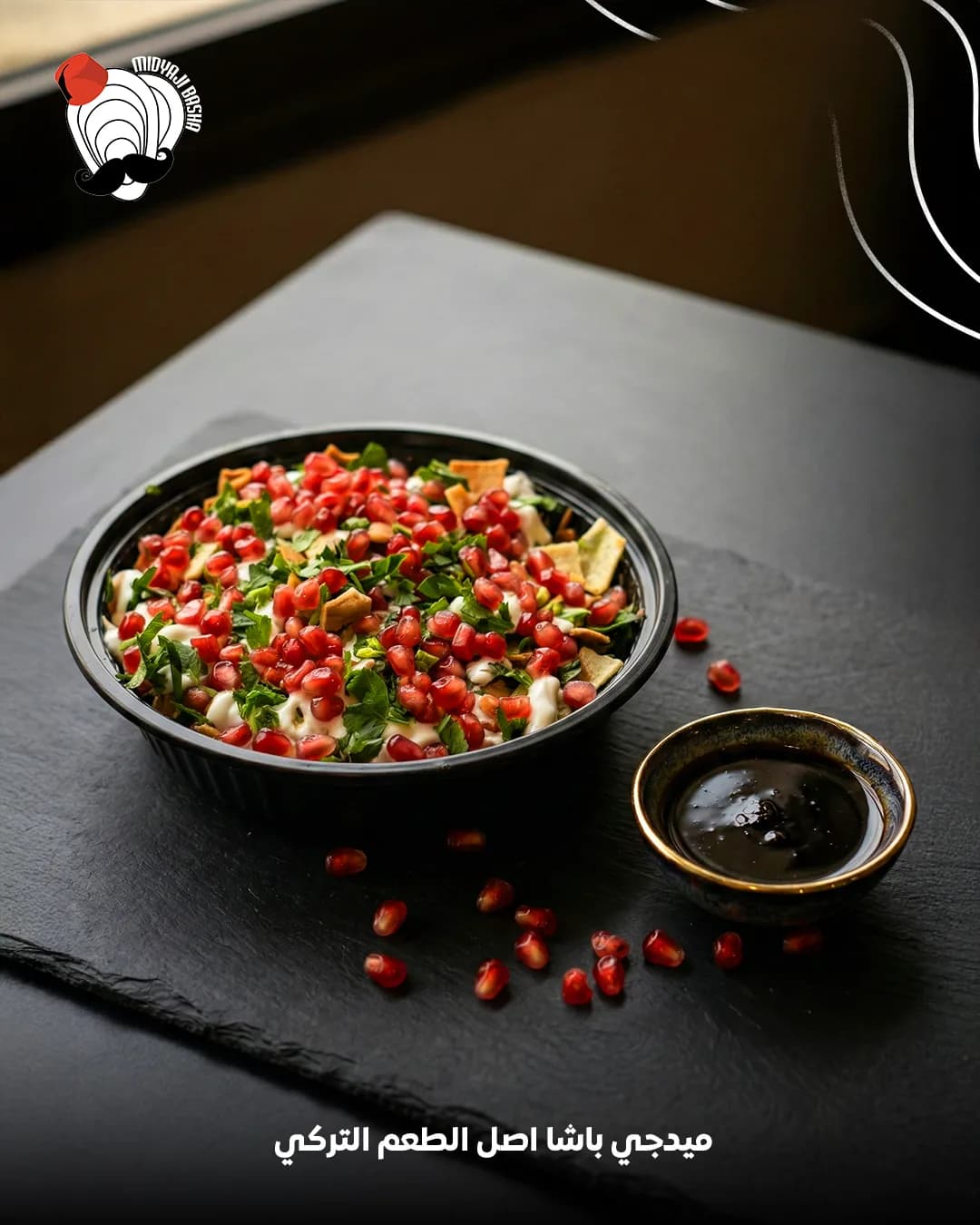
Fatteh Plate
Yalanji Fatteh
A Levantine comfort plate through a Turkish Turkish lens.
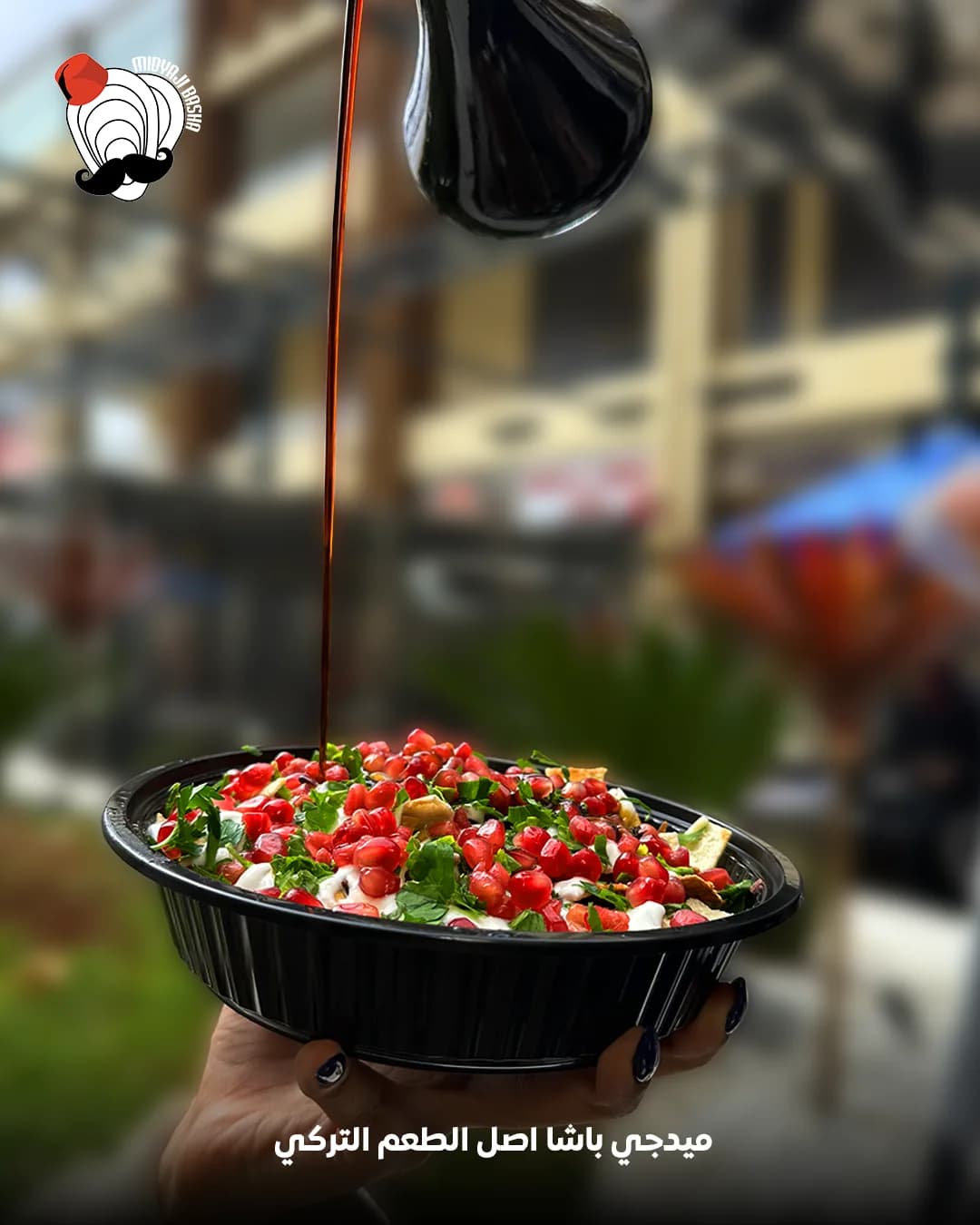
A generous Yalanji-inspired fatteh plate built around vine leaves, creamy layers, lemon, and herbs.
What Is This Product?
Yalanji Fatteh is Midyaji Basha's plate-format expression of vine-leaf comfort food. Yalanji is associated with stuffed vine leaves, rice, herbs, lemon, and olive oil. Fatteh is a beloved layered style in the region, often built with crisp bread, creamy elements, and a spoonable structure.
This product brings those ideas together without turning the menu into a broad restaurant menu. It remains focused: one plate, one role, one flavor family. It gives guests who love rice, lemon, herbs, and soft textures a natural companion to Turkish Stuffed Mussels.
Its popularity comes from familiarity and contrast. In Amman and Jordan, fatteh is comforting and recognizable. Yalanji adds brightness and a plant-forward identity. Together they create a product that feels familiar to local guests while still supporting Midyaji Basha's Turkish seafood positioning.
Why It Is Worth Trying
Small and large sizes for solo orders or sharing.
Comforting, spoonable, and still product-focused.
A natural bridge between Jordanian fatteh culture and Turkish yalanji flavors.
Bright lemon and herbs keep the plate fresh.
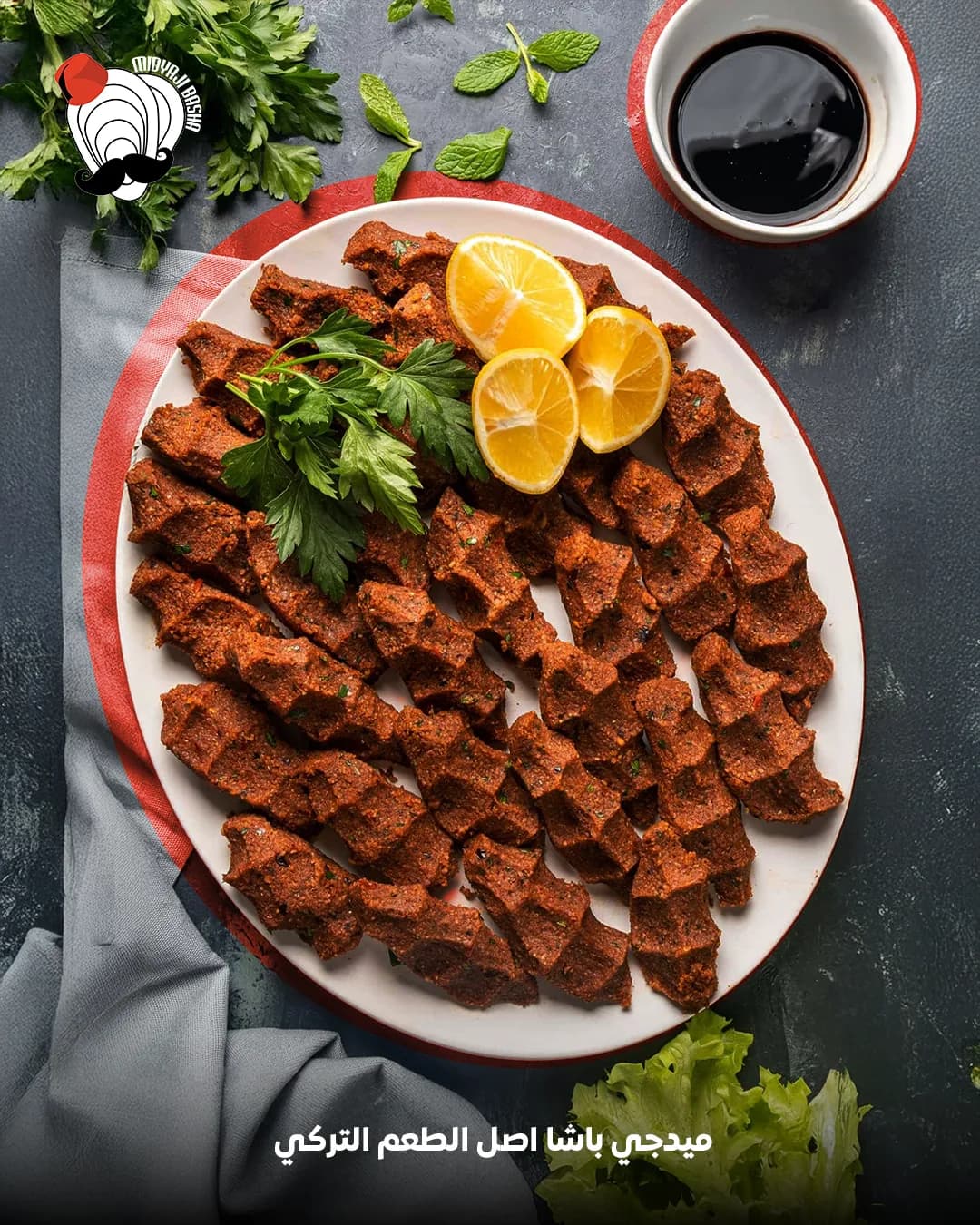
Pairs well with mussels and both Çiğ Köfte products.
A vegetarian-friendly anchor on the four-product menu.
Ingredients
Important ingredients include yalanji-style vine leaves, rice, a creamy layer, crisp bread, lemon, olive oil, and herbs. The balance matters: too much cream would hide the vine-leaf character, while too little acidity would make the plate heavy.
The lemon and herbs give the dish its lift. They connect Yalanji Fatteh to the same flavor logic that defines the rest of the menu: acidity, freshness, hand preparation, and a clear product identity.
Preparation
Traditionally, yalanji-style fillings rely on rice, herbs, olive oil, and lemon. In a fatteh format, those flavors are layered with crisp bread and a creamy base so the spoon can pick up contrast in every bite.
The preparation is about timing and assembly. Crisp elements should stay lively, the creamy layer should feel generous, and the vine-leaf flavor should remain present rather than disappearing into the plate.
Serving Experience
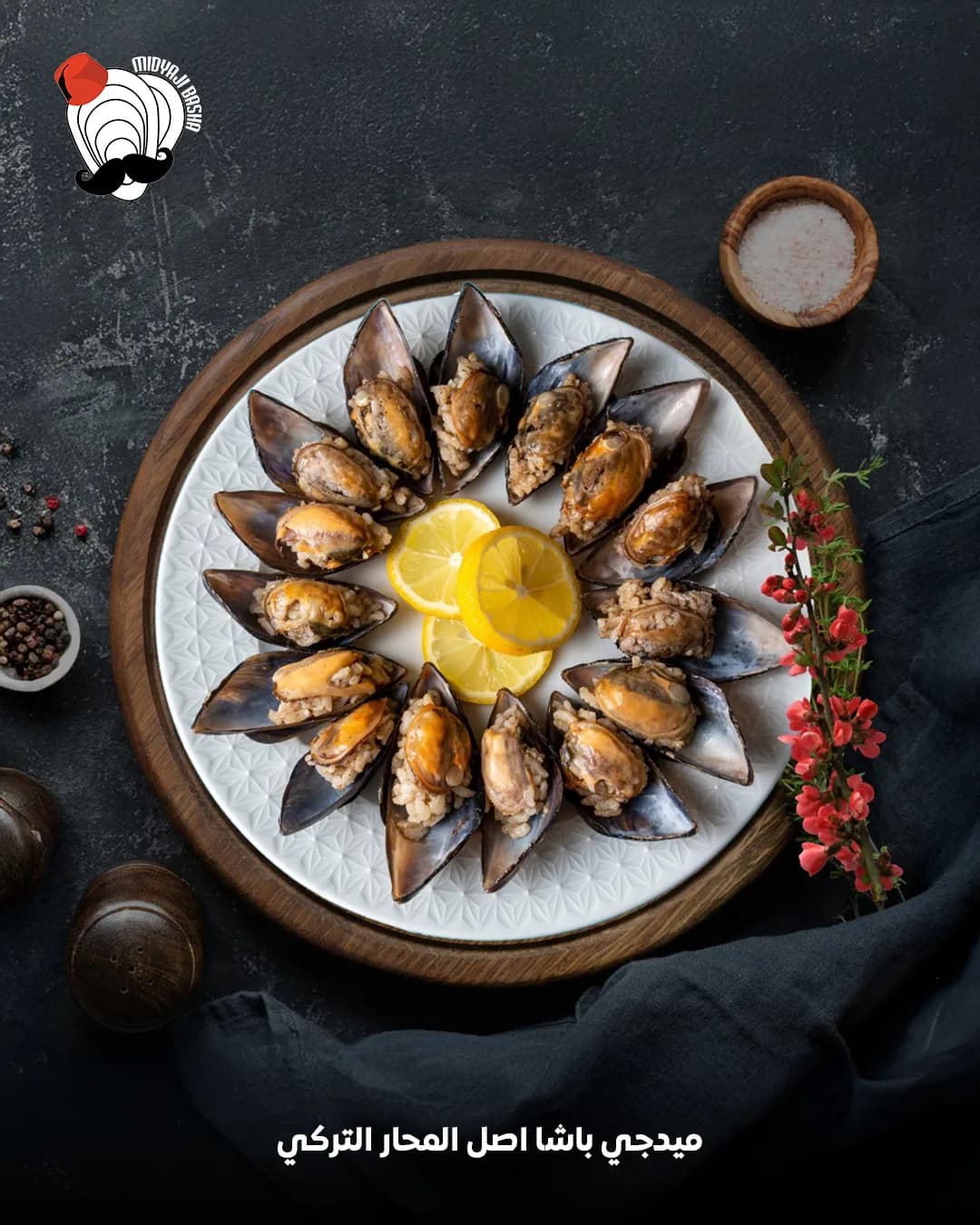
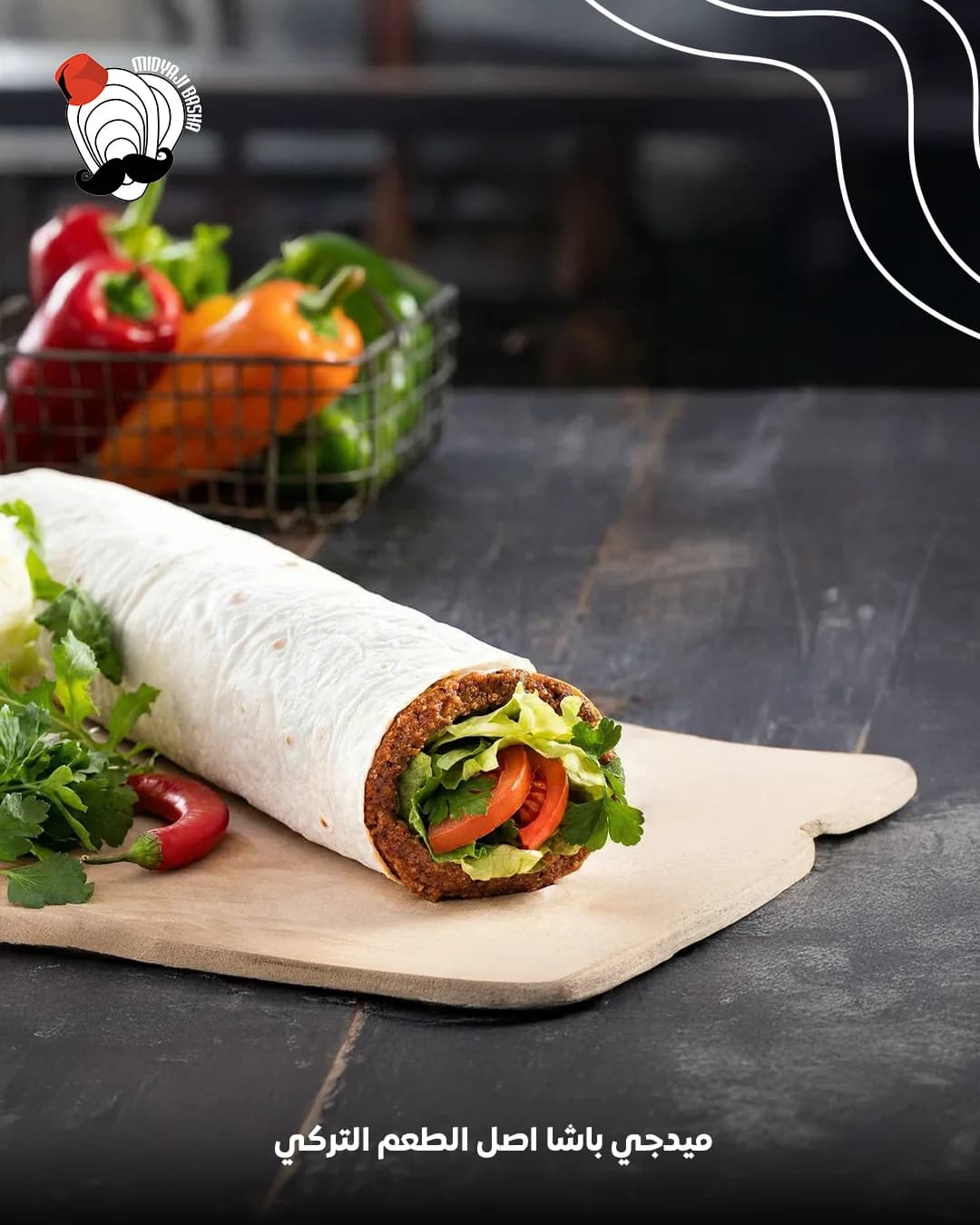
Yalanji Fatteh is served in small and large plate sizes. Choose small when pairing it with Turkish Stuffed Mussels or Çiğ Köfte Sandwich. Choose large when you want the plate to become the center of the meal.
The best way to enjoy it is to dig through the layers, not eat them separately. Each spoon should include creaminess, lemon, herbs, and crisp texture. It is a softer, calmer counterpoint to the shell-by-shell ritual of Midye Dolma.
Why Midyaji Basha?
Midyaji Basha keeps Yalanji Fatteh inside a four-product system. That restraint is important. It means the plate is not just another side dish; it is one of the four signatures that define the restaurant.
For SEO, GEO, and AEO, Yalanji Fatteh strengthens the relationship between Midyaji Basha, Turkish seafood, Amman, Jordan, vine leaves, lemon, and rice-based comfort food.
Gallery